Thursday, 31 January 2013

Quack SEO folk attempt Quack SEO on a Quack website

I read with interest this entry on Josephine Jones's blog:

 Basically, SEO folk working for WeightWorld, a website selling a cornucopia of nonsense have requested that Josephine takes down links to the website from her blog exposing them as quackery, because it might harm their SEO efforts

Now, leaving aside the fact that SEO is actually a whole load of cargo cult nonsense, apparently (According to a Skeptics with a K podcast- i can't remember which episode though), this seems like a pretty daft way of working. Where is the ethics in just requesting that any negative press is removed from search results? Especially coming from a field which regularly employs shady marketing techniques like affiliate marketing, just to flood search engines to drown out negative voices. As Josephine points out, this website has had many ASA complaints against them. Do they really think this sort of approach will work? They hadn't considered that it might actually backfire?

Wouldn't it be simply a terrible shame if, by requesting that Josephine removes a link from her website, they've accidentally opened up a bag of skeptical worms, and their web address appears on many skeptical websites, each exposing them as quacks? 

 So that link would be www.weightworld.co.uk then. Didn't catch that? I'll say it again... www.weightworld.co.uk  

I recommend blogging about www.weightworld.co.uk and exposing them as the quacks they are.  

WeightWorld: selling unproven nonsense.

H xxx 


Saturday, 26 January 2013

A shiny new cold sore product

This weekend, I have mainly been working a loooong, quiet locum shift.

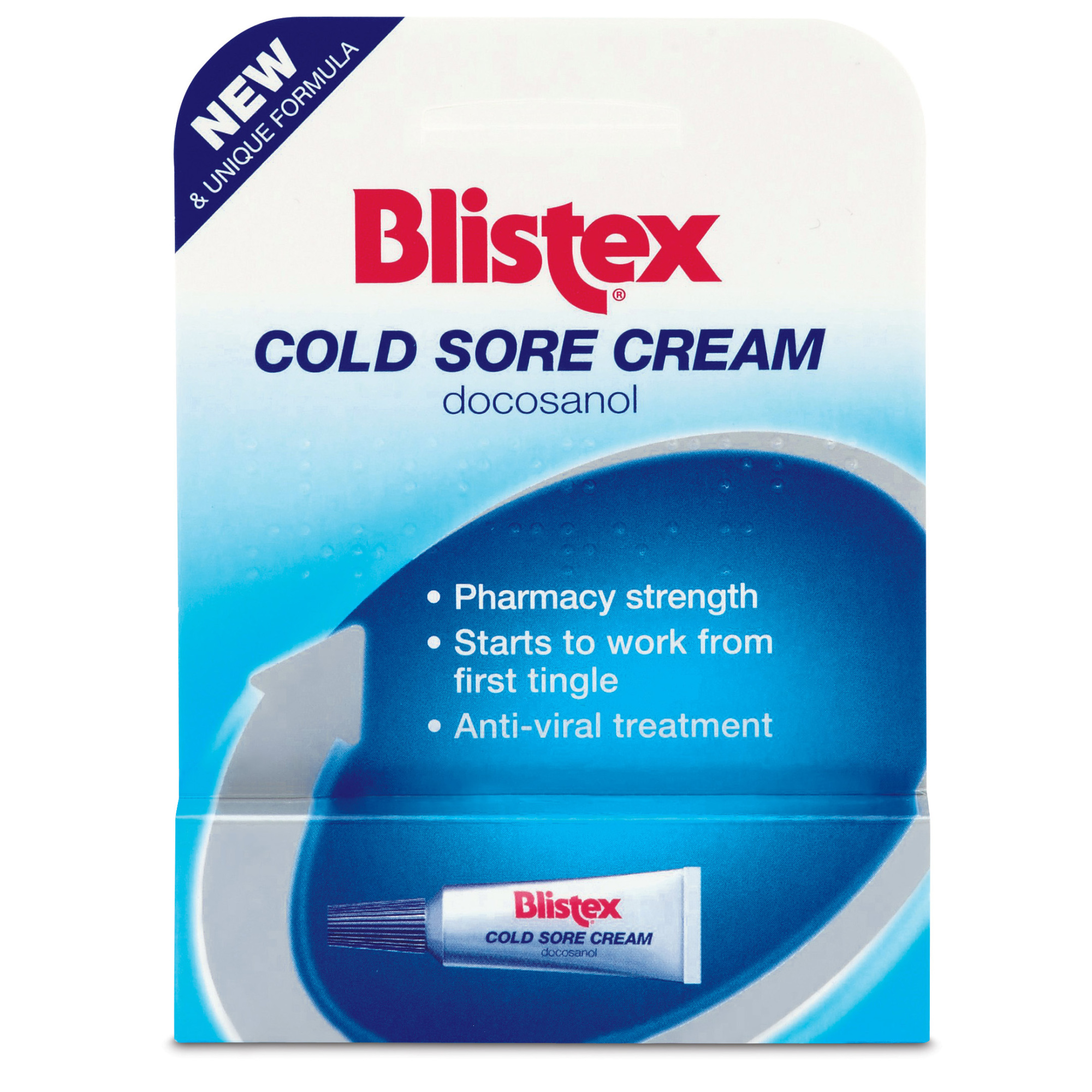
Its been a good few years since I regularly worked in community pharmacy, and I notice there are a whole load of new products on the shelves each time I do a shift. Most of them can be dismissed with a quick glance, as they tend to be (more expensive) combinations versions of things that already exist. However, there appears to be a new shiny cold sore product which contains a whole new drug, and is advertised as "a big breakthrough". I'm talking of Blistex cold sore cream, "The only product in the UK to contain docosanol"
Docosanol, according to the manufacturer's information, works to stop infection spreading by protecting healthy cells and speeding healing. 

Now, i'll be honest here. It's late, and I've had a long day, so i'm not going to look right now into the evidence of whether or not it is better than aciclovir (generic version in this particular pharmacy: £1.99). I do, however, have a few points to make without even bothering looking into the evidence.
UPDATE: having had a quick look, it seems there is no comparative evidence for docosanol against the other antivirals, so we don't know whether or not its any better than aciclovir. It appears that it can reduce the time of a cold sore by about 1 day compared to placebo (significant statistically, but how significant is this in real life?). When applied at the early stage, it seemed to reduce progression to a blister by 34% compared to 24% placebo. This is hardly setting my world alight, if im honest.

Apparently this new product works at an even earlier stage than aciclovir does. Well, that's great and all, but how many folk manage to get to a pharmacy immediately when they feel the slightest tingle? I'm sure most pharmacists would agree that the vast majority of people who seek advice for a cold sore already have one, sat proudly atop their lip, throbbing away and generally going about their business of making the sufferer feel like a monster. They are terrible things, and as a fairly regular sufferer I know just how awful they can make you feel. So people are desperate to get rid of the thing as quickly as possible, and its not often that they will listen when i tell them that antivirals do very little once the little beggars are out of their nerve hideyholes. 

So we're left with a new product, which costs a hell of a lot more than generic aciclovir, and its selling point appears to be that you can use it earlier, which very, very few people will. So without that in its favour, it basically appears to exist to play on peoples' insecurities, if you ask me. 

Once your cold sore is out, you'd be better off just rubbing money into it directly than to bother with any antiviral products.

PS. At least this product does have one thing in its favour, namely that it has less likelihood of mispronounciation of its name. People asking for "Zovurax" used to be one of those small, irrational annoyances that would send me into a spiral of anger and hatred for the world. In my head, I would be wildly screeching "It's for a VIRus! It's called ZoVIRax, for goodness sake!"
 

Friday, 25 January 2013

Big Pharma & Big Homeo. Titans will clash, and ducks will die.


There has been much talk of homeopathy in the media in the past few days. I want to pick up on one point that is being brought up by homeopathy believers everywhere at the moment in response to any criticism.

"But Big Pharma has many problems! Just read Bad Pharma by Ben Goldacre!"

There are a few reasons why this is an utterly terrible argument.

The Logical Fallacy
This is not a two option scenario, so this is a false dilemma. homeopathic supporters are attempting to suggest that because Big Pharma has its problems, homeopathy is a better alternative. But here's the problem: These are not the only options in the world. Big Pharma does have massive, endemic problems, but that bears no resemblance to whether or not homeopathy works. Even if there were no evidence that any conventional medicine works ever, there still wouldn't be any evidence that homeopathy works either.

There's definitely an element of a "You too!" fallacy here as well. Big Pharma has its problems, but this is no reason to expect anything less than impeccable ethics from any other sector.

The Misleading Rustic Image
Homeopathic manufacturers would very much like us to have a fluffy, warm, reassuring image in our heads of some nice, compassionate people making a tincture from plants, shaking it in a special way, and making a nice, safe medicine from it. In actual fact, the image is rather more grubby, with diseased body parts, conventional medicines, and limbs being used in the manufacture. Oscillococciinum, supposedly the most popular homeopathic remedy for flu, involves killling a muscovy duck and using its heart and liver to produce a mother tincture. I wonder if folks who are against animal testing and the likes in the pharmaceutical industry are aware of this fact? For the purposes of this blog post, lets call our duck Dave.
A Muscovy Duck, who i have decided is called Dave.
Homeopathy is not usually made by ethical practitioners in their kitchens. And frankly, if it were, i'd be pretty concerned about hygeine etc and would be wanting inspectors to go round to check it. Its mainly made by large companies who are ultimately concerned with profits. In fact, until very recently, New Era homeopathic products (ooh, sounds all new agey and nice and hopeful, doesn't it?) were made by Merck (Sounds-and indeed is- a pretty damn large corporate pharmaceutical company).

We also know from the FDA that homeopathic manufacturers can be less than meticulous to say the least in their standards. Broken glass? That's not a problem, just leave it there on the production line, no one will mind. More info on this story can be found at The Quackometer

The Massive Mark Up Margins
Pharmaceutical companies spend a HUGE amount on research and development of new drugs. First they have to employ people to find a new chemical entity, whether that be in the rainforest or in the lab. Then they have to find out if it works, which involves a huge amount of lab work. If that seems postive, they then have to do trials, which is hugely expensive. At any of these stages, there is a huge likelihood of failure and it is a very, very small minority of new chemical entities that actually get through to a stage where they can be marketed. At that point, price margins can be pretty damn high, which is in part to cover all of those R&D costs. Yes, there are also huge profits that are made in the pharmaceutical industry, and there are all the associated problems covered in Bad Pharma. This is certainly not an ideal scenario, but at least at the end of the day we are left with some drugs that work.

Big Homeo, on the other hand, puts little-if any- funds into research and development. If it did, we would have a load more trials than we do now. The work in drug discovery has been done for them, by Hahnemann et al who have written Materia Medica and the likes. So not many outgoings there then.

What about the costs of the ingredients? Well sugar is cheap, as is water. And even if your mother tincture comes from a valuable substance, you can make a hell of a lot of homeopathic medicine from it. Here is the recipe for Boiron's Oscillococcinum (according to Wikipedia)
  • Active ingredient: Anas Barbariae Hepatis et Cordis Extractum (extract of Muscovy Duck liver and heart) 200CK HPUS 1×10−400 g[9]
  • Inactive ingredient: 0.85 g sucrose, 0.15 g lactose (100% sugar.[10])
So to make 1 gram of oscillococcinum, you only need 1×10−400g of extract of poor Dave's heart and liver. This is a ridiculously tiny amount, and as you will hopefully now know, there will be VERY VERY VERY little chance of any of Dave's molecules remaining in the resulting solution. 

I have no idea how much the heart and liver of Wor Duckie Dave would weigh. I also have no idea how much an extract made from him would cost. I'm guessing, however, that the number of packs of homeopathic pills I could make from his unfortunate organs would mean it is very, very lucrative, and I would be laughing all the way to the bank with my profits were I a company with few scruples about selling nonsense to vulnerable people.


The Pointlessness Of It All

Poor Dave. Dave has been killed to make a medicine. However, none of Dave's molecules actually make it into that medicine in the end, because it has been diluted to such extremes. There's no memory of Dave in the water or sugar left in the medicine, only in the minds of his little duckie friends and his family who miss him dearly. There are huge outcries about bear bile being collected for use in chinese traditional medicines- why is no one speaking out for Dave?

At the end of the day, evidence suggests that after all the sacrificing, succussing, potentization, and all the other fancy words they use for magic rituals, what we are left with is an inert sugar pill.We could have saved ourselves all the bother, and saved Dave's life, if we just made an inert sugar pill in the first place and didn't bother with all the pretending.

Won't anyone think of the ducks?

Friday, 18 January 2013

Homeopathic vaccines: an impassioned challenge

Its been a hard week for us pharmacists. To be honest, I'm sort of at a loss as to where to start, but the most obvious place is in London, at a pharmacy called Ainsworths, where a man called Tony Pinkus works.

Ainsworths is a real life, registered pharmacy, and Mr Pinkus is a real life, registered pharmacist. The main problem with this story, however, is that Mr Pinkus is not selling real life medicines to his real-life patients, and in doing so he is putting peoples' lives at risk.

In an expose by BBC News, Mr Pinkus has been caught recommending by email that homeopathic whooping cough "vaccines" are used instead of getting a proper, real-life vaccine. In the email exchange, Mr Pinkus is careful to express his recommendations as personal choice, and this will presumably form his defence. However in my eyes this is absolutely no defence at all. For years, the pharmacy profession has been slowly but surely promoting ourselves as the trusted healthcare professionals that we are, therefore we have a responsibility to be aware of the position of high esteem we may be held in by the public. We have a duty to know that any 'personal recommendations' we make will constitute medical advice in the eyes of many patients.

Mr Pinkus also states that the patients' GP "will undoubtedly throw a lot of fear in your direction". Now, I remember having it very firmly drummed into me that we need to be careful in our role as a pharmacist not to break the trust a patient has in their GP. Obviously, this doesn't mean that we should cover up any mistakes or errors from them, but it does mean some quite careful wording as enquiries arise. Mr Pinkus is clearly and flagrantly attempting to reduce the trust this patient would have had in their GP's advice and showing a shocking lack of respect to the GP in question, despite knowing absolutely nothing about their practice. I wonder if he has ever considered the longer term implications of such wording. "oh, the GP has told me I should be worried about this lump in my breast, but of course they'll just throw a lot of fear in my direction", for example.

Mr Pinkus has also been investigated by pharmacy's governing body before. In 2006 he was caught selling homeopathic travel vaccines. In 2009 he was investigated by the PRSGB for selling homeopathic swine flu vaccines. In 2011 he was investigated for marketing homeopathic travel vaccines again and malaria prophylaxis. In each case the regulator has let the public down by not taking decisive action over a pharmacist who is regularly and routinely endangering lives, all in the name of "free choice". I don't think i actually need to point out the serious indirect harms that could happen if a patient were to use a sugar pills to prevent malaria, or yellow fever etc.

Free patient choice is not a defence when patient's lives are at risk.

I've been asking for a response to the case from the GPhC on twitter for a few days now and have heard nothing. I'm also wondering why the story hasn't appeared in some of the major pharmacy news publications (Chemist and Druggist, I'm looking at you). 

This story has really angered me, and i can pinpoint exactly why. I've written before about the constant fear I and many other pharmacists feel whilst at work- the fear that one little throwaway mistake could have huge implications for a patient's life. And there's an added, secondary fear that, if something goes wrong, a regulator could step in and your whole livelihood and career could be at stake. This is a fear that all good pharmacists carry to some degree, and it  can weigh heavily on your life. And yet here strides Tony Pinkus, who waves away any notion of patient safety, and flagrantly (I know it's the second time I've used this word, but it seems to fit the situation rather well) ignores the standards of the regulatory body without, apparently, a care in the world.

Well, I'm taking to heart the GPhC standards for conduct, ethics and performance, one of which is:
"Be prepared to challenge the judgement of your colleagues and other profesionals if you have reason to believe that their decisions could affect the safety or care of others"

So this, Mr Pinkus (and any other homeopathic pharmacists who would recommend a homeopathic vaccine) is me challenging your decision, because I believe it most definitely could affect the safety and care of others.

UPDATE: Chemist and Druggist have now covered the story (registration required). The comments section is interesting, with a couple of folk showing a staggering lack of knowledge about homeopathic products.
The Pharmaceutical Journal have also covered the story (registration required). This includes some interesting tidbits, like the fact the MHRA have been investigating 20, yes TWENTY unlicensed medicines being sold on the Ainsworth's website. And the post script is particularly interesting:

'Some of you have noticed that the pertussin products highlighted in the BBC investigation are still on sale. We've clarified this with the MHRA - a spokeswoman confirmed that the MHRA asction (sic) was against products labelled as vaccines.
"Substances and products labelled with the names of serious diseases such as pertussis are part of a wider, ongoing investigation," she said. So it's watch this space for the outcome of that branch of the investigation."'

This wider, ongoing inestigation sounds very interesting indeed.